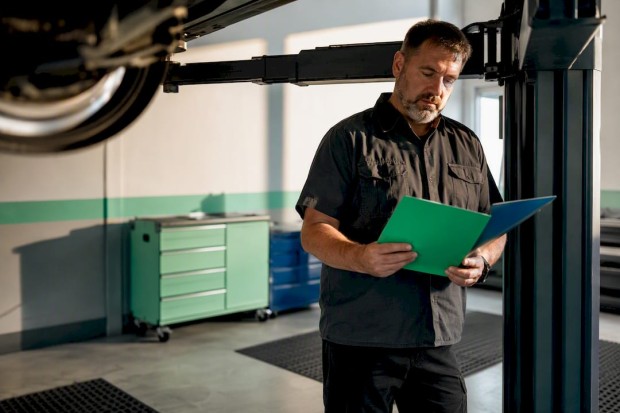
If you’re buying a shop, the deal usually runs through SBA 7(a); if real estate dominates the purchase, SBA 504 fits better; if your file has leased equipment or an absentee owner, owner-occupied non-QM steps in. Equipment needs its own loan, working capital needs a line of credit or short-term product, and if you need cash inside a week, Excel Capital Management funds equipment purchases and working capital directly, often within 24 hours.
TL;DR:
- SBA 7(a) loans are best for purchasing an auto repair shop with combined real estate and assets, requiring a 10% to 20% down payment.
- SBA 504 is suitable for deals dominated by real estate valued at over $5 million, featuring a lower cash outlay through a government-backed second note.
- Fast funding options like merchant cash advances and non-QM loans provide emergency cash within 24 to 48 hours but at higher costs and interest rates.
- Equipment financing often covers diagnostic tools and lifts, with loan ranges from $10,000 up to $5 million, especially for newer EV-rated equipment.
- Preparing comprehensive documents early, including tax returns, bank statements, and equipment list, can significantly reduce approval time and streamline funding.
Table of Contents
- Auto Repair Shop Financing Options Explained
- How Do You Choose the Right Financing Structure?
- What Documents and Timelines Should You Expect?
- Financing Readiness Checklist: What to Do Now
- Real-World Lessons From Financing Auto Repair Shops
- How Excel Capital Management Helps Auto Repair Shops Get Funded
- Sources
Auto Repair Shop Financing Options Explained
Every financing product solves a different problem, and shop owners waste time and money when they mismatch the two. Here’s what each one actually does.
SBA 7(a) covers acquisitions and combined-use deals, typically in the $500,000 to $5 million range, and it’s the workhorse for buying an existing shop with its building and equipment bundled together. Expect to bring 10% to 20% down.
SBA 504 takes over when real estate is the bulk of the deal, usually $5 million and up. It splits into a bank first note covering 50%, a CDC second note covering 40%, and 10% sponsor equity, which keeps your cash outlay lower than a conventional commercial mortgage.
Owner-occupied non-QM financing exists for the deals SBA won’t touch: passive ownership structures, leased fixtures, or a sponsor profile that doesn’t clear SBA overlays. It closes faster, in several weeks, but at a cost.
Equipment financing uses the lift, alignment rack, or diagnostic scanner itself as collateral, with terms commonly running multiple years. Specialist lenders now also fund EV-rated lifts and high-voltage tooling that traditional banks routinely decline, with ranges from $10,000 to $5 million depending on the project.

Lines of credit and working capital cover the unglamorous stuff: parts float, payroll during a slow month, seasonal dips when nobody’s getting an oil change in a snowstorm.
Merchant cash advances solve one problem only: speed. You’ll pay more for it, but when a transmission lift dies and three bays go dark, cost stops being the deciding factor.
How Do You Choose the Right Financing Structure?
Match the product to the job before you match the lender to the product. Here’s the logic that actually holds up:
- Buying a shop with real estate attached — SBA 7(a) if it’s under $5 million and blended with business assets, SBA 504 if the property value dominates the deal.
- Adding equipment — dedicated equipment financing, so the amortization schedule matches how long that lift or scanner will actually earn you money.
- Covering cash flow gaps — a line of credit first, an alternative working-capital loan second, and a merchant cash advance only when timing leaves you no other option.
- Real estate purchase without a clean owner-operator structure — non-QM, because SBA underwriting will stall or reject it.
Underwriting gates trip up more owners than pricing does. SBA wants an owner-operator running the business day-to-day, not a silent partner collecting checks. Leased equipment on your balance sheet, rather than owned equipment, is a frequent and often unseen disqualifier. FICO, verifiable revenue, and car-count history all factor into approval, and a thin file gets rejected faster than a risky one that’s well documented.
Speed, cost, and equity preservation pull against each other. SBA preserves the most equity and costs the least but takes the longest. Non-QM closes fast but runs a higher interest rate premium over SBA pricing. MCA closes fastest and costs the most.
Pro Tip: Check for leased equipment on your books before you apply anywhere. If your lifts or diagnostic tools are leased rather than owned, address it or pivot to a non-SBA program before you waste six weeks in SBA underwriting.

What Documents and Timelines Should You Expect?
Paperwork determines your timeline more than your credit score does. Have these ready before you approach any lender:
- Three years of business and personal tax returns
- Several months of recent business bank statements
- A current profit and loss statement and balance sheet
- Equipment list with ownership or lease documentation
- Lease agreement or purchase contract for the property, if real estate is involved
Timelines vary sharply by product. SBA 7(a) deals typically close in 60 to 90 days, SBA 504 in 90 to 120 days, and non-QM in several weeks. If a lift breaks down today, none of those timelines help you, which is why app-only or small-ticket funding programs exist. Those can deliver funds in 24 to 48 hours, sometimes faster, precisely because they skip the appraisal and environmental review process that SBA requires.
Cost adds up beyond the interest rate. Any deal involving real estate needs a Phase I environmental assessment, a few thousand dollars in cost, and if that flags something, a Phase II environmental testing can be significantly more costly. Appraisal fees, down payment requirements, and SBA guarantee fees stack on top. Non-SBA products skip most of that friction, which is part of why they close faster even though they cost more per dollar borrowed.
Financing Readiness Checklist: What to Do Now
Do these today: gather your ID, six to twelve months of bank statements, equipment invoices, and any lease or ownership documents. Lenders move faster when the file arrives complete rather than trickling in over three weeks.
Over the next two to eight weeks, clean up your books. Reconcile any discrepancies between your P&L and your bank statements, pull three years of tax returns, and get equipment appraised if you’re financing gear worth financing. A line of credit built for working capital can bridge you while this paperwork comes together.
For acquisitions or real estate purchases, plan 30 to 90 days out. Schedule your Phase I environmental assessment before you sign a letter of intent, not after. Negotiate seller financing where possible to shrink your equity requirement, and package your deal (valuation, tax returns, clear owner-operator structure) so it can move through a PLP-status SBA lender, which shortens close time materially.
Pro Tip: Order the Phase I environmental assessment before your LOI, not after. A clean report in hand keeps your closing timeline intact; waiting until underwriting flags the need can add four to six weeks you didn’t budget for.
Real-World Lessons From Financing Auto Repair Shops
Most shop expansion deals aren’t single-product transactions. A blended structure, SBA for the real estate, equipment financing for the lifts, a line of credit for the first ninety days of operating cash, shows up constantly because it preserves working capital while matching each loan’s term to the life of the asset it funds.
Leased equipment kills more SBA applications than bad credit does. Owners who catch it early pivot to alternative lending and keep their timeline intact instead of losing six weeks to a denial.
Speed matters because repair shops run on thin cash cycles. A blown lift or a payroll gap doesn’t wait for a 90-day SBA close. With 30-plus years underwriting deals like these, Excel Capital Management built its process around funding equipment and working capital fast, often within 24 hours.
— Excel
How Excel Capital Management Helps Auto Repair Shops Get Funded
You don’t need to guess which lender fits your situation. Excel Capital Management funds equipment purchases, working capital gaps, and emergency cash needs directly, without the multi-month underwriting cycle that SBA products require.

We’re the option when your lift breaks on a Tuesday and you can’t afford a 90-day wait, or when your equipment is leased and SBA has already told you no. If your deal centers on acquiring real estate or you have a clean owner-operator structure with strong financials, SBA 7(a) or 504 still preserves more equity and costs less over the life of the loan. We’ll tell you that upfront rather than push you into a product that doesn’t fit.
For working capital, our private business loan products are built for exactly this kind of gap. Start an application with your bank statements and equipment invoices ready. Most shop owners hear back the same day, and funding often follows within 24 hours.
Sources
For program-level detail comparing SBA and non-QM structures, see PeerSense’s auto repair shop financing breakdown. For a primer on working capital and equipment financing needs specific to repair shops, read this industry overview. To start an application for fast funding, visit Excel Capital Management.
- Auto Repair Shop Financing 2026: SBA + Non-QM | PeerSense
- Working Capital for Auto Repair Shops: 7 Ways It Fuels Growth

